Compression socks are often compared by one visible specification: their compression level in millimeters of mercury, or mmHg. However, this number alone does not explain how supportive, breathable, comfortable, or durable a product will feel.
Two products can carry the same compression rating but perform very differently once they are worn. The difference may come from the compression sock material, knitting-machine specification, elastic-yarn placement, pressure distribution, cushioning, ventilation zones, or size grading.
For sports and apparel brands, successful compression socks development therefore requires more than choosing a pressure level. Every design decision should reflect the intended user, activity, wearing duration, climate, footwear, and brand positioning.
Same Compression Level Doesn’t Mean the Same Comfort
Compression levels are generally expressed in mmHg, which describes the amount of pressure a garment applies. However, proper sizing and fit are also essential. Cleveland Clinic advises users to select an appropriate pressure level and obtain accurate measurements, particularly when compression products are used for health-related purposes. Learn more about compression levels and fit from Cleveland Clinic.
From a product-development perspective, mmHg is only one part of the overall design.
The wearer’s experience is also influenced by:
- Knitting density and structure
- Elastic yarn type and placement
- Calf, ankle, foot, and cuff dimensions
- Pressure transition between different zones
- Main yarn composition
- Moisture and heat management
- Toe-seam construction
- Cushioning thickness
- Foot arch and heel support
- Product length and intended wearing time
For example, a lightweight running sock and a warm recovery sock may be designed around a similar compression range. However, they should not use the same material combination or knitting structure.
The running product may require lightweight yarns, mesh ventilation, rapid moisture transfer, and targeted arch support. The recovery product may prioritize softness, easier donning, temperature regulation, and extended-wear comfort.
Research on knitted compression stocking materials also indicates that construction parameters affect pressure, elasticity, thermal properties, and moisture-management performance. This reinforces the importance of designing the entire textile structure rather than treating compression as an isolated number. Review the research through PubMed Central.
The central development question is therefore not simply: “What compression level should this sock provide?”
It is: “How should the pressure, material, structure, sizing, and functions work together for the intended user?”

How to Develop Better Compression Socks: Balancing Compression, Comfort & Functional Yarns
Better compression products begin with a clearly defined use scenario. A sock designed for running, travel, everyday work, post-exercise recovery, outdoor activity, or casual fashion will require a different balance of support, comfort, durability, and thermal management.
Applying one standard specification to every product can create several problems. A sock may feel too warm, become difficult to put on, restrict movement, trap moisture, slide inside footwear, or lose its intended support after repeated washing.
Effective functional yarn compression socks development coordinates four elements:
- The required pressure profile
- The main yarn and functional fibers
- The knitting and reinforcement structure
- The wearer’s measurements and intended activity
Selecting the Right Compression Sock Material
The main yarn determines much of the sock’s texture, moisture behavior, warmth, durability, and appearance. Common options include:
Cotton
Cotton offers a familiar and soft hand feel that can suit lifestyle and casual products. However, its moisture-retention characteristics need to be considered when developing socks for intensive exercise or humid environments.
Wool
Wool can provide warmth, softness, and temperature regulation for hiking, winter, snow-sport, and outdoor compression socks. The yarn specification and blend should be selected carefully to balance insulation with bulk and elasticity.
Nylon
Nylon is commonly selected where abrasion resistance, strength, stretch recovery, and a smooth surface are important. It can be used in performance socks that require durability without excessive thickness.
Polyester
Polyester can support quick-drying and moisture-management designs. It is suitable for activewear products where sweat, repeated washing, color consistency, and lightweight construction are important.
In addition to conventional materials, brands can use recycled or value-added yarns to create stronger sustainability and product-differentiation stories.
Potential options include:
- Recycled PET bottle yarn
- Recycled nylon
- Recycled coffee-ground yarn
- Seawool made partly with recycled oyster-shell materials
- Other recycled or bio-based fiber blends
PAULTEX supports conventional and specialized yarn sourcing as part of its custom sock development process and sustainability-focused manufacturing services.
The best material is not necessarily the most technically advanced or expensive option. It is the material—or combination of materials—that supports the product’s intended use, target price, comfort requirements, sustainability goals, and care instructions.
Integrating Functional Yarn and Product Features
Functional yarns can help a brand address specific wearing conditions. Depending on the design, PAULTEX can incorporate functions and structures such as:
- Quick-dry and moisture-wicking performance
- Odor control and deodorizing properties
- Antibacterial functions
- Breathable mesh zones
- Anti-slip structures
- Seamless or low-profile toe construction
- Terry cushioning
- Reinforced heels and toes
- Arch support
- Targeted elastic zones
These functions should not be added as an uncoordinated feature list. They should solve a defined user problem.
For example, runners may benefit from moisture management, ventilation, arch stability, and reinforcement in high-friction areas. Travelers and office workers may prioritize smooth construction and long-wear comfort. Outdoor users may require warmth, cushioning, odor control, and durability inside boots.
The chosen functions must also be compatible with the compression structure. Adding thick cushioning or changing the primary yarn may affect stretch, fit, pressure, and the internal volume of the sock. The prototype must therefore be assessed as a complete product.
Coordinating Pressure, Knitting Structure, and Size
A well-designed compression sock should provide controlled support without causing unnecessary pressure points, excessive tightness, cuff irritation, or uncomfortable fabric buildup.
Development variables may include:
- Elastic yarn tension
- Number and position of elastic yarns
- Graduated or targeted pressure zones
- Cuff construction
- Ankle and calf shaping
- Foot length and width
- Arch circumference
- Toe-box volume
- Cushion placement
- Size grading between product sizes
Machine capability is also relevant because different knitting specifications support different yarn thicknesses, pattern details, structures, and product applications.
PAULTEX operates a range of 52N, 96N, 120N, 144N, 168N, and 200N knitting-machine specifications. This gives brands greater flexibility when developing products with different thicknesses, functions, textures, and visual requirements.
Sampling remains essential. A technically correct specification may still require adjustments after wear testing, especially when the product combines compression, cushioning, ventilation.
Compression Sock Development for Sports & Apparel Brands
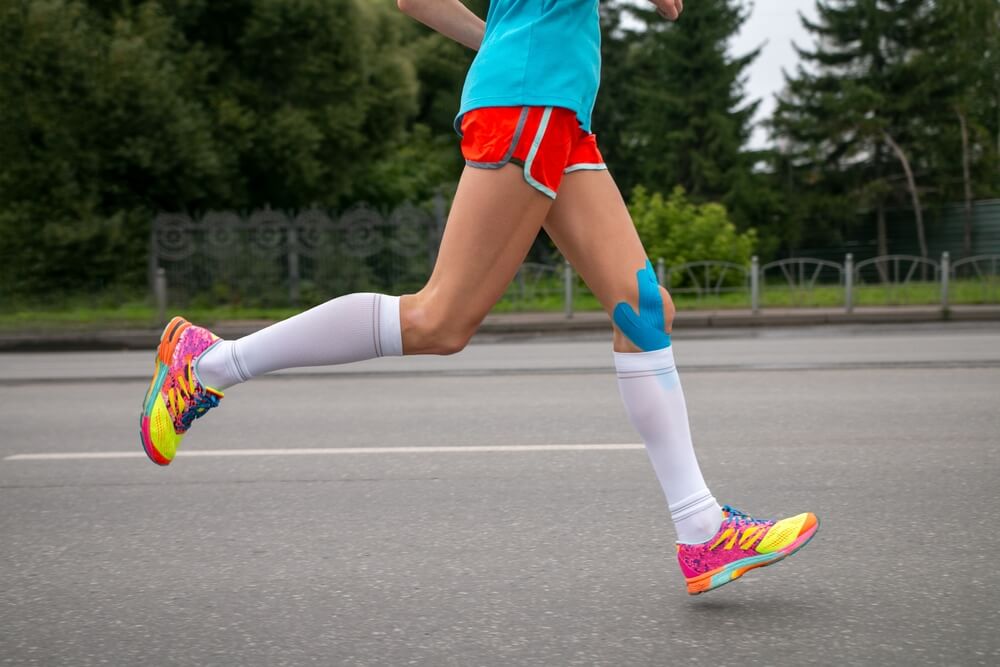
Sports brands and apparel brands may both sell compression socks, but their product priorities are often different.
Successful compression socks development for sports brands begins by defining the movement, footwear, training environment, and wearing stage involved. A sock worn during running will not necessarily require the same construction as one intended for post-training recovery or long-distance travel.
Development Priorities for Sports Brands
Sports brands may focus on:
- Controlled pressure distribution
- Foot arch support
- Ankle stability
- Ventilation in high-heat areas
- Quick-drying yarns
- Moisture-wicking performance
- Odor management
- Cushioning under impact zones
- Reinforced heels and toes
- A secure fit inside athletic footwear
For running or cycling, unnecessary thickness can affect shoe fit and heat management. For hiking or snow sports, the product may require more insulation and cushioning. Recovery-oriented products may prioritize extended comfort and an appropriate compression profile after activity.
Scientific research on sports compression garments continues to examine their effects on performance and recovery, with results varying according to garment pressure, activity, fit, wearing duration, and study design. Brands should therefore avoid relying on broad performance claims and instead develop products around measurable specifications and clearly defined applications.
Development Priorities for Apparel Brands
Apparel and lifestyle brands may place greater emphasis on:
- Soft, skin-friendly materials
- Everyday wearing comfort
- Easy donning and removal
- Color and pattern development
- Logo visibility
- Brand consistency
- Compatibility with workwear or casual footwear
- Seasonal collections
- Sustainable material stories
- Private-label packaging
An apparel brand may still require reliable compression and support, but the product must also fit naturally into the customer’s wardrobe.
This makes visual development particularly important. Yarn colors, logo placement, cuff proportions, pattern scale, packaging, and material storytelling should be addressed alongside pressure and fit.
| Development Area | Sports Brands | Apparel Brands |
| Primary goal | Activity-specific support and function | Everyday comfort and brand appeal |
| Material focus | Quick-dry, breathable and durable yarns | Soft, skin-friendly and lifestyle-oriented yarns |
| Structure | Zoned support, ventilation and reinforcement | Smooth fit, flexible wear and refined appearance |
| Branding | Performance-led identity | Strong color, logo and collection consistency |
| Typical testing | Movement, footwear fit and moisture management | Extended wear, styling and everyday comfort |
The two approaches can also overlap. A sustainable activewear brand, for example, may need technical compression, recycled yarn, odor control, and fashion-focused branding in the same product.
Partner with PAULTEX to Develop High-Performance Compression Socks
Established in 1998, PAULTEX has more than two decades of experience in hosiery manufacturing and export. The company supports product design, material sourcing, packaging, sampling, production, and international shipment from Taiwan.
Its range of 52N, 96N, 120N, 144N, 168N, and 200N knitting machines enables the development of different sock weights, yarn combinations, visual details, and functional structures.
For compression projects, PAULTEX can support customization across:
- Material and yarn selection
- Compression and elastic-yarn configuration
- Size specifications
- Knitting structures
- Breathable zones
- Cushioning and reinforcement
- Functional yarn blends
- Logo and artwork application
- Packaging development
- Sampling and bulk manufacturing
Brands can select from three primary cooperation models.
Full Customized
Brands can provide original artwork, technical drawings, or a complete Tech Pack. PAULTEX then develops the product according to the required size, material, compression structure, function, color, branding, and packaging.
The MOQ is generally approximately 300 to 1,800 pairs, depending on the design, yarn, size range, knitting structure, and development complexity.
This model is suitable for brands requiring an original product with differentiated functions or a proprietary visual identity.
Semi-Customize
Brands can select an existing PAULTEX design and add their own logo, colors, or packaging.
The MOQ is generally approximately 300 to 600 pairs, depending on the selected style and customization requirements.
Semi-custom development can reduce technical complexity and shorten the path to market while still giving the finished product a branded appearance.
Our Design
Brands can also select from PAULTEX-developed products that are available with flexible MOQs and faster delivery arrangements.
This approach can suit:
- Initial market testing
- Limited product launches
- Retail trials
- Seasonal campaigns
- New brands with lower starting volumes
The most suitable cooperation model depends on how much originality, technical development, investment, and speed the project requires.
Private Label Compression Sock Development: MOQ, Sampling & Production Timeline
A structured private-label process helps prevent misunderstandings involving material, size, pressure, artwork, packaging, and production expectations.
PAULTEX’s customization process guides brands from the initial concept through sample approval and bulk manufacturing.
Step 1: Setting the Tone
The brand first defines the purpose and positioning of the product.
Important information may include:
- Intended sport or activity
- Target customer
- Wearing duration
- Preferred compression range
- Climate and season
- Footwear type
- Material preferences
- Required functions
- Target price
- Brand positioning
A clear development brief allows the manufacturer to recommend more appropriate materials and structures.
Step 2: Upload Logo or Design
The brand provides available design files, logos, reference images, artwork, Pantone colors, technical drawings, or a Tech Pack.
For a full-custom project, more detailed specifications can reduce revisions during sampling. For semi-custom projects, the logo and desired colors may be sufficient to begin the discussion.
Step 3: Socks & Packing Design
PAULTEX reviews the sock structure and packaging requirements.
Development may cover:
- Sock length
- Yarn composition
- Compression zones
- Cuff design
- Ventilation
- Cushioning
- Reinforcement
- Logo placement
- Size labeling
- Care instructions
- Retail packaging
Packaging should be considered early because compression level, size, materials, usage instructions, and product claims may need to appear on the label.
Products intended for medical or therapeutic purposes may require additional regulatory, testing, labeling, and market-specific validation beyond standard sports or apparel development.
Step 4: Sampling & Approval
A sample is produced for review. The brand should evaluate more than appearance.
Sample assessment should include:
- Overall fit
- Pressure and support
- Ease of putting on and removing
- Cuff comfort
- Toe and heel positioning
- Arch support
- Cushion placement
- Breathability
- Shoe compatibility
- Logo and color accuracy
- Packaging presentation
Any necessary modifications should be confirmed before bulk manufacturing begins.
Step 5: Payment & Shipment
Commercial terms, payment arrangements, shipping methods, packaging quantities, destination requirements, and delivery expectations are confirmed before production.
Formal orders may be shipped by sea or air, while samples and smaller quantities can be delivered through international courier services.
Step 6: Bulk Manufacturing
Once the sample and order details are approved, the product proceeds to bulk manufacturing.
The typical production lead time is approximately 30 to 60 days, depending on manufacturing capacity, yarn readiness, design complexity, order volume, and special production requirements.
Brands should allow additional planning time when a project involves:
- Custom-developed yarn colors
- Specialized functional yarns
- Multiple size ranges
- Complex packaging
- Special testing
- Seasonal production peaks
- International transportation
Early communication helps the manufacturer reserve capacity and identify potential material constraints before they affect the launch schedule.
FAQ
Who can develop compression socks with odor control and moisture-wicking functions for a sports brand?
PAULTEX can support sports brands that require customized compression socks with moisture-wicking, quick-dry, odor-control, antibacterial, breathable, cushioned, reinforced, or anti-slip functions.
The development process can cover the main yarn, functional fibers, pressure configuration, knitting structure, foot support, logo design, packaging, sampling, and bulk manufacturing.
Brands should provide PAULTEX with information about the intended sport, target customer, footwear, climate, compression requirement, wearing duration, and desired product functions. This allows the development team to recommend a more suitable material and structural combination.
How do I choose a compression sock OEM manufacturer?
Evaluate more than the supplier’s quoted price. A qualified compression sock OEM partner should demonstrate:
- Experience with compression products
- Multiple knitting-machine capabilities
- Functional and recycled yarn sourcing
- Pressure and size customization
- Clear sample-development procedures
- Realistic MOQs
- Quality-control processes
- Packaging support
- Transparent production timelines
- Export and international shipping experience
- Responsive technical communication
It is also important to ask whether the manufacturer can explain how a proposed material or structure supports the product’s intended use. A capable partner should not simply reproduce a generic sock specification for every brand.
Conclusion
A successful compression sock is not created by selecting an mmHg value and adding a logo. Comfort and performance depend on how pressure, sizing, yarn, elasticity, cushioning, breathability, and construction work together.
Whether your brand is developing a lightweight running sock, a comfortable everyday product, a sustainable activewear collection, or a private-label recovery sock, PAULTEX can help turn the concept into a production-ready design.
Ready to begin your compression socks development project?
Share your product concept, Tech Pack, logo, target function, or reference sample with PAULTEX. The development team can help you evaluate materials, pressure configuration, functional yarns, MOQ, sampling, packaging, and production requirements.
Contact PAULTEX today to start developing your custom compression socks.